Apple iOS 27 Code Points to Chip-Based Tap-to-Redeem Security for Gift Cards
Code surfaced from iOS 27 by researcher Aaron Perris and reported by MacRumors on 9 September 2026 points to a forthcoming tap-to-redeem mechanism for Apple gift cards, in which an embedded security chip would be scanned by a compatible iPhone to verify authenticity and remaining balance. The feature has not been confirmed by Apple and traces to a single source; all details should be treated as development-stage.
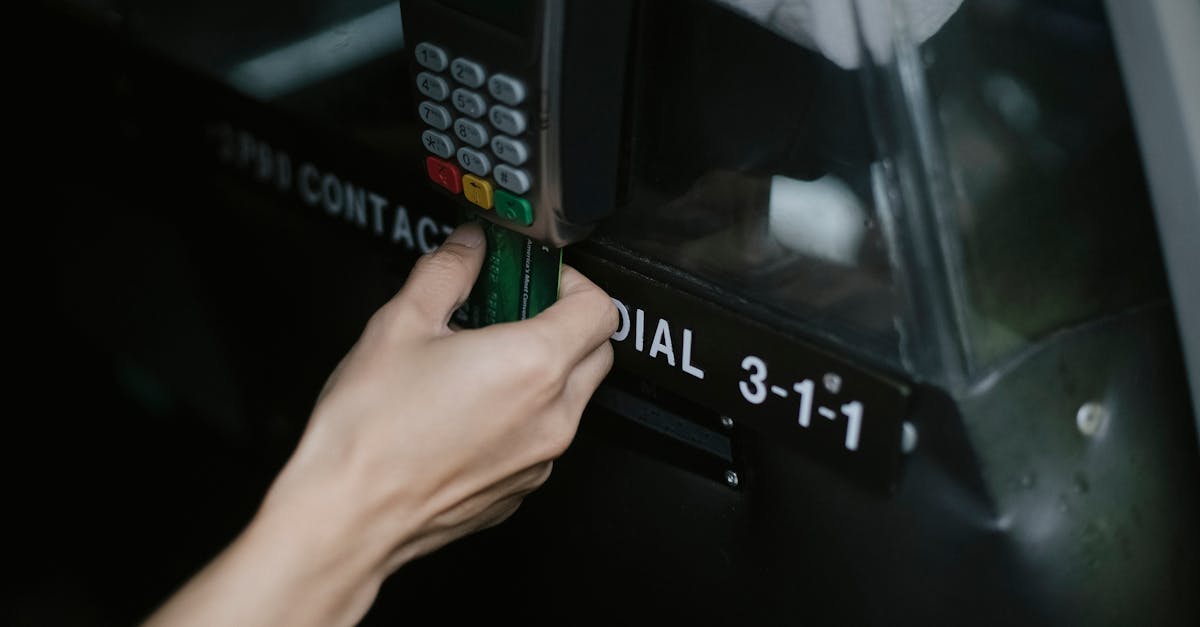
If implemented, the chip-based redemption flow would directly target a documented attack vector — physical barcode tampering in retail environments — by adding an on-device verification step that also checks whether a card's balance has already been spent.
Apple Moves to Harden Gift Card Security With Tap-to-Redeem Feature
Code embedded in iOS 27 points to a forthcoming one-tap redemption mechanism for Apple gift cards, under which a user would simply tap the card against the back of a compatible iPhone to complete a transaction — bypassing the existing system of manually entering a printed redemption code. The discovery was made by researcher Aaron Perris and reported by Joe Rossignol on MacRumors, published September 9, 2026.
How the Feature Appears to Work
According to that reporting, physical Apple gift cards would contain an embedded security chip that a compatible iPhone scans on contact. The scan is designed both to verify the card's authenticity and to confirm that its balance has not already been spent. The redemption flow as described in the code also includes anti-fraud messaging screens — including notifications that a card has been "blocked" or "cancelled" — which appear intended to deter or expose tampered cards before any funds are transferred.
The specific chip-interface technology underlying the feature has not been independently confirmed. Heise.de has reported, based on its own read of the same code analysis, that NFC is the likely mechanism — but that characterisation has not been corroborated by Apple or a second independent technical source, and should be treated as provisional.
Code surfaced from iOS 27 suggests Apple is embedding a security chip in gift cards that iPhones can scan on contact — with explicit fraud-alert screens built into the redemption flow.
The Fraud Context
Apple gift card fraud is an acknowledged, ongoing problem. Multiple sources corroborating the MacRumors report — including heise.de — note that the threat landscape encompasses tampered physical barcodes, social-engineering scams in which victims are pressured into purchasing gift cards as a form of payment, and increasingly sophisticated AI-assisted phishing. Apple has previously issued public guidance warning users about gift card scams, though the specific framing and scope of that guidance was not independently reviewed as part of this report's source set and is not quoted directly here.
The tap-to-redeem mechanism, if implemented as the code suggests, would address one well-documented attack vector: the physical tampering of gift card packaging in retail environments, where fraudsters replace or photograph barcodes before the cards are purchased and loaded. A chip-based verification step — one that also checks whether the card balance remains intact — would make that class of attack considerably harder to execute successfully.
Editorial Context
From a payments-infrastructure standpoint, the architecture described in the iOS 27 code is broadly consistent with how chip-based verification has been applied in other card categories, though any direct comparison to specific existing card standards should be treated as editorial framing rather than a confirmed technical equivalence, given that no independent technical authority in the source set has validated the precise implementation.
It is also worth noting that all coverage of this feature traces back to a single source: code analysis by Aaron Perris, as published by MacRumors on September 9, 2026. Apple has issued no press release or Newsroom post confirming the feature, and no regulatory filing relates to it. The code references indicate intent or development-stage work, not a committed product launch timeline.
What to Watch
- Compatibility scope: The code references "a compatible iPhone" without specifying which models would support the scanning function. That detail remains unconfirmed.
- Rollout timing: iOS 27 has not been released, and no launch date for this specific capability has been confirmed by Apple.
- Chip technology: Whether the embedded chip communicates via NFC or another interface remains a single-source characterisation and warrants independent confirmation before publication of more technical explainers.
- Retail integration: The feature's usefulness depends in part on whether retailers activate and load chips on physical gift cards — an operational step that sits outside Apple's direct control and has not been addressed in available reporting.
The broader payments industry will be watching whether a hardware-plus-software redemption model of this kind, if confirmed and shipped, prompts similar moves by other closed-loop gift card programmes facing comparable fraud pressures.
The Fin Desk Newsroom publishes verified reporting on the developments shaping fintech, payments and modern financial infrastructure.
Related Stories

Visa Reports FY2026 Results After Month of Moves Spanning Stablecoins, AI and China
Visa closed its fiscal fourth quarter on 27 October 2026 with full-year results, capping a month that included the production launch of stablecoin-powered money movement on Visa Direct, a live AI agent payments pilot with BILL and Billtrust, and regulatory approval to begin preparations for a domestic business in China.

Mastercard, Corpay, Ramp and rivals launch purpose-built cards for AI agents
A cluster of product launches from Mastercard, Corpay, Sunrate, AppZen and Ramp between 2025 and 2026 is consolidating around payment cards designed to operate under AI agent control rather than human cardholders. The trend spans card network, issuer and software layers, signalling that autonomous software spend is becoming a payments infrastructure question.
Visa Benchmark Finds AI Agents Fail 42.8% of Shopping Scenarios as Agentic Commerce Push Accelerates
Visa has published benchmark data showing AI models failing in more than four in ten simulated buying scenarios, even as the company moves agentic B2B payments into live pilots with BILL and Billtrust and shifts stablecoin-powered money movement into production.

Visa launches Commercial Integrated Partners programme to embed payment APIs with fintechs
Visa launched a structured partner programme on 21 May 2025 that gives fintechs advanced APIs to embed Visa commercial products directly into their applications. Completed integrations are then made available to Visa's financial-institution clients, with Car IQ named as one of the first participants.
The essential developments in modern finance
The essential developments across fintech, payments and modern finance — delivered to your inbox.
Free. No spam. Unsubscribe anytime.