Visa Data: Nearly 17% of Stablecoin-Linked Card Volume Flows Through Commercial Programmes
Visa data published on 1 October 2026 shows nearly 17% of stablecoin-linked card volume is concentrated in business and commercial card programmes, offering one of the network's most specific disclosures yet on where stablecoin activity is settling within its ecosystem. The figure is a single-source company claim; methodology and sample details were not disclosed in material reviewed by The Fin Desk.
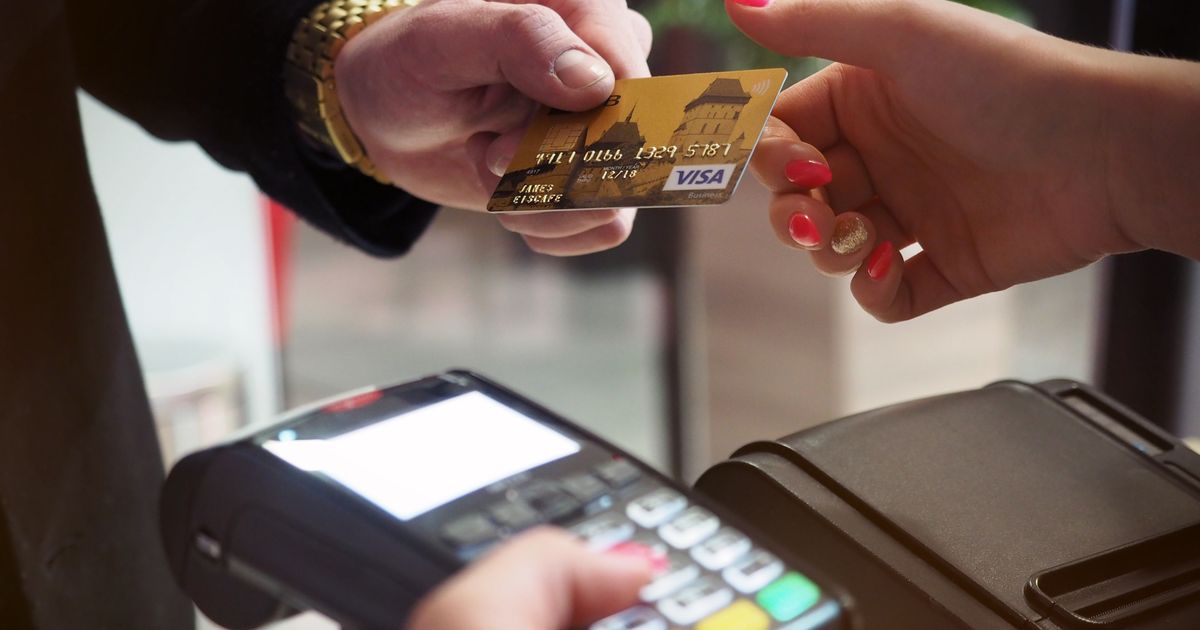
The commercial concentration of stablecoin-linked card volume — if borne out — suggests enterprise treasury, procurement and cross-border disbursement use cases are driving early adoption on card rails ahead of any broad consumer uptake.
Visa Data Points to Stablecoin Momentum in Commercial Card Programmes
Visa published research on 1 October 2026 showing that stablecoins are gaining measurable ground in business payments, with the company's own data indicating that nearly 17% of stablecoin-linked card volume is flowing through business and commercial card programmes. The figures, released across Visa's official newsroom and investor properties — including usa.visa.com, corporate.visa.com and the investor.visa.com RSS feed — represent one of the more concrete data points the payments network (NYSE: V) has offered on where stablecoin activity is actually concentrating within its card ecosystem.
What the Data Shows
The headline finding — nearly 17% of stablecoin-linked card volume occurring across business and commercial card programmes — is attributed directly to Visa data. The methodology, sample size, time period and precise definitions underpinning that figure are not described in the source material reviewed by The Fin Desk, and should therefore be treated as a single-source company claim rather than independently verified research. Readers and analysts should note that limitation when drawing conclusions about the scale of adoption.
Visa's own data suggests that nearly one in six stablecoin-linked card transactions by volume is now occurring within business and commercial card programmes — a concentration that points away from purely retail or remittance use cases.
That framing matters. Editorial analysis suggests that if commercial programmes account for a disproportionate share of stablecoin-linked volume at this stage of the technology's adoption within card networks, it may reflect the operational advantages stablecoins offer to treasury, procurement and cross-border disbursement workflows — segments where settlement speed and programmability carry genuine value and where behaviour shifts do not depend on broad consumer adoption.
A Sustained Sequence of Stablecoin-Related Announcements
The 1 October 2026 publication sits within a run of Visa stablecoin-related communications across its official channels. Primary sources confirm the following press releases from the preceding weeks:
- 23 September 2026 — "Safeguards Could Boost Stablecoin Use Among Americans, Finds Visa Study" (usa.visa.com, corporate.visa.com)
- 8 September 2026 — "Visa Brings Onchain Lending into Everyday Payments"
The Fin Desk notes that Visa's newsroom also lists earlier stablecoin-infrastructure-related announcements in the period reviewed, though the full content of those releases — including any named partners, product terms or deal structure — was not available in the source material and is excluded from this report.
Visa has signalled sustained interest in blockchain-native settlement through a series of public communications across its official channels over this period, as evidenced by the press release sequence confirmed in primary sources.
Regulatory Context
The following is editorial context and is not drawn from the Visa source package.
In regulatory terms, analysts note that the precise application dates of any stablecoin-relevant frameworks — including any European Union stablecoin provisions — should be verified against official regulatory publication records before being cited as operative constraints on Visa's commercial card programmes. The Fin Desk has not independently verified the current legislative status of any specific stablecoin regulatory framework in this article, and does not assert that any particular regulation is or is not in force as of publication.
What to Watch
Visa's Perspectives hub — described by the company as publishing "payments insights from around the globe" — continues to be the primary distribution channel for this research. The concentration of stablecoin-linked volume in commercial rather than consumer card programmes, if sustained, is a data point that BaaS platforms, corporate card issuers and payments infrastructure providers will want to monitor as they assess product roadmaps.
Editorial caveat: Acquisition details (including any transaction referenced in Visa's newsroom in the period reviewed), specific partnership terms, and quarterly financial results figures are excluded from this report pending full source verification. Figures from Visa's Fiscal Third Quarter 2026 results were available only as a headline at the time of research.
The Fin Desk Newsroom publishes verified reporting on the developments shaping fintech, payments and modern financial infrastructure.
Related Stories

Visa Reports FY2026 Results After Month of Moves Spanning Stablecoins, AI and China
Visa closed its fiscal fourth quarter on 27 October 2026 with full-year results, capping a month that included the production launch of stablecoin-powered money movement on Visa Direct, a live AI agent payments pilot with BILL and Billtrust, and regulatory approval to begin preparations for a domestic business in China.

Mastercard, Corpay, Ramp and rivals launch purpose-built cards for AI agents
A cluster of product launches from Mastercard, Corpay, Sunrate, AppZen and Ramp between 2025 and 2026 is consolidating around payment cards designed to operate under AI agent control rather than human cardholders. The trend spans card network, issuer and software layers, signalling that autonomous software spend is becoming a payments infrastructure question.

Visa Benchmark Finds AI Agents Fail 42.8% of Shopping Scenarios as Agentic Commerce Push Accelerates
Visa has published benchmark data showing AI models failing in more than four in ten simulated buying scenarios, even as the company moves agentic B2B payments into live pilots with BILL and Billtrust and shifts stablecoin-powered money movement into production.

Visa launches Commercial Integrated Partners programme to embed payment APIs with fintechs
Visa launched a structured partner programme on 21 May 2025 that gives fintechs advanced APIs to embed Visa commercial products directly into their applications. Completed integrations are then made available to Visa's financial-institution clients, with Car IQ named as one of the first participants.
The essential developments in modern finance
The essential developments across fintech, payments and modern finance — delivered to your inbox.
Free. No spam. Unsubscribe anytime.