AI Deepfakes Can Now Defeat All Four Layers of Bank KYC Controls, Research Finds
AI-generated synthetic identities have been shown to defeat document verification, video verification, liveness detection and biometric matching — the four layers underpinning most digital KYC frameworks in European banking. Research corroborated by State of Surveillance finds the assumption of layered redundancy that justified current remote onboarding architectures no longer holds.
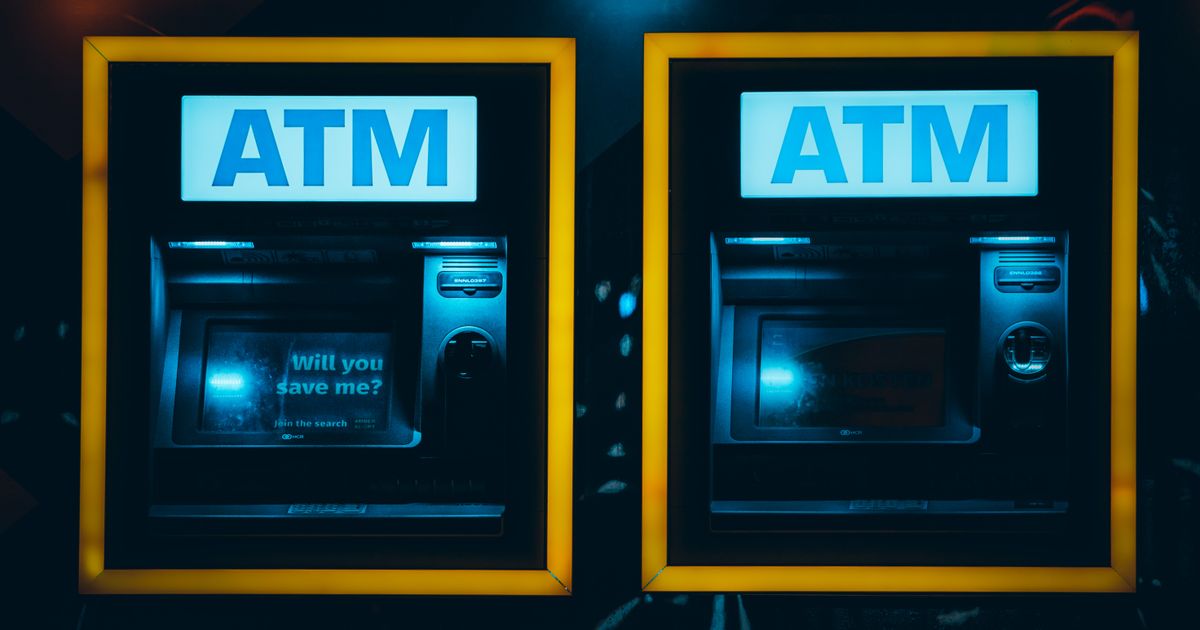
If every major remote identity verification control can be defeated by generative AI, compliance and fraud teams face a structural gap that existing KYC frameworks were not designed to address.
Deepfakes Are Breaking KYC — and Banks Are Running Out of Time to Respond
AI-generated synthetic identities can now defeat the full stack of remote verification controls that financial institutions rely on for customer onboarding, according to research corroborated by State of Surveillance and reviewed by The Fin Desk. The capability extends across document verification, video verification, liveness detection and biometric matching — the four layers that together form the backbone of most digital KYC frameworks in European banking.
The implications for fraud risk are material. A finance worker at a multinational firm transferred $25 million after an AI-generated voice call impersonating the company's chief financial officer — a case cited in an August 2026 ABA Banking Journal article by Goldstein and Sattar that illustrates the operational severity of the threat at institutional scale.
What the Technology Can Now Do
Verified research identifies four specific KYC control categories that AI-generated deepfakes have been shown to defeat:
- Document verification — AI-generated identity documents can pass automated checks used in remote onboarding flows, removing what was once a first and often final line of defence.
- Video verification — Deepfake video generation has reached sufficient fidelity to satisfy human reviewers conducting live identity checks.
- Liveness detection — Systems designed to confirm a real person is present — typically through prompts such as blinking or turning the head — can be bypassed by current generative models.
- Biometric matching — Generated facial imagery has been shown to defeat biometric matching systems.
On the voice side, cloning technology now requires only 20–30 seconds of audio to produce a convincing synthetic voice. The source needed to produce that sample — a very short audio clip — is increasingly available from publicly accessible content. Goldstein and Sattar, writing in the ABA Banking Journal, reported that voice fraud in banking increased by roughly 30 percent in 2025, though this figure rests on a single secondary source and has not been independently corroborated by The Fin Desk.
The available evidence suggests that every major layer of remote identity verification — document, video, liveness and biometric — can now be defeated by AI-generated synthetic content, removing the assumption of layered redundancy that underpinned most KYC architectures.
The Detection Gap
Research cited by State of Surveillance suggests humans can identify high-quality deepfakes correctly only approximately 24 percent of the time. The Fin Desk notes this figure derives from a single accessible source and the underlying methodology has not been independently verified; it is reported here as an indicator of direction, not a settled benchmark. Even at that caveat level, the directional reading is unambiguous: unaided human review offers limited protection.
Controls Under Scrutiny
The response toolkit currently available to compliance and fraud teams is limited. One control identified as robust in research published by Adaptive Security is a zero-trust callback workflow: when a voice instruction is received — particularly one involving a financial action — the recipient terminates the call and re-establishes contact using a number already on record, independently of any number or contact detail provided during the suspect interaction. The logic is straightforward: a synthetic voice cannot intercept an outbound call to a pre-registered number.
That control, however, addresses only telephony-based attacks. The simultaneous ability to defeat document, video and biometric checks means the attack surface extends well beyond voice channels into the onboarding and re-verification workflows that regulate access to accounts and credit.
Regulatory Position
The European Banking Authority maintains active regulatory work streams covering both digital finance and artificial intelligence in banking, according to published EBA policy pages. Neither page reviewed by The Fin Desk provided specific guidance on institutional responses to deepfake-enabled identity fraud; in regulatory terms, the supervisory framework for this threat vector remains a work in progress. Analysts note that the speed at which the underlying generative technology is advancing is outpacing the cadence at which formal regulatory guidance is typically produced, leaving institutions to assess and manage the exposure largely through internal risk frameworks for now.
The Fin Desk Newsroom publishes verified reporting on the developments shaping fintech, payments and modern financial infrastructure.
Related Stories

How Open Banking Could Unlock Credit for the UK's Most Overlooked Borrowers
A CDFI serving NHS and public sector workers has secured FCA authorisation to pull bank account data directly into its lending decisions — raising the question of whether open banking can finally break the credit-invisible trap for millions of UK consumers.

Fintechs on Course to Overtake Banks as Top SME Cross-Border Payment Provider by 2028
A Mastercard-commissioned Bain & Company report projects fintechs will hold 48% of primary SME cross-border payment relationships by 2028, up from 30% in 2025, while banks are forecast to fall from 42% to 28% over the same period. The findings draw on a survey of internationally active SMEs across 11 countries.
Qonto Opens 11,000 sq m Paris HQ as Business Client Base Tops 750,000
French business-banking fintech Qonto has opened an 11,000 square metre Paris headquarters at 6 Impasse Bonne Nouvelle, nearly doubling its previous office footprint. The opening coincides with the platform surpassing 750,000 business clients across eight European markets.

BNY launches Pay-to-Wallet service routing cross-border payments into retail digital wallets
BNY has launched a Pay-to-Wallet capability allowing banks to send cross-border payments directly into retail digital wallets using existing SWIFT infrastructure and its USD clearing network, with no new technology required from participating banks. The service launches initially in the Asia Pacific region.
The essential developments in modern finance
The essential developments across fintech, payments and modern finance — delivered to your inbox.
Free. No spam. Unsubscribe anytime.